Engineered for Performance. Designed for Pilates Excellence.


Pilates Reformer Carriage Guide: Wheels, Rails, and Smooth Movement
Release time:
2026-10-24
Author:
Source:

The carriage is one of the most important components of a Pilates Reformer. It moves along the frame during exercises, working with the springs to create adjustable resistance.
For Pilates studio owners, gym operators, and equipment distributors, understanding the carriage system can help when comparing reformer models and evaluating equipment specifications.
This guide explains the main components of a Pilates Reformer carriage and what buyers should check before purchasing commercial Pilates equipment.
1. What Is a Pilates Reformer Carriage?
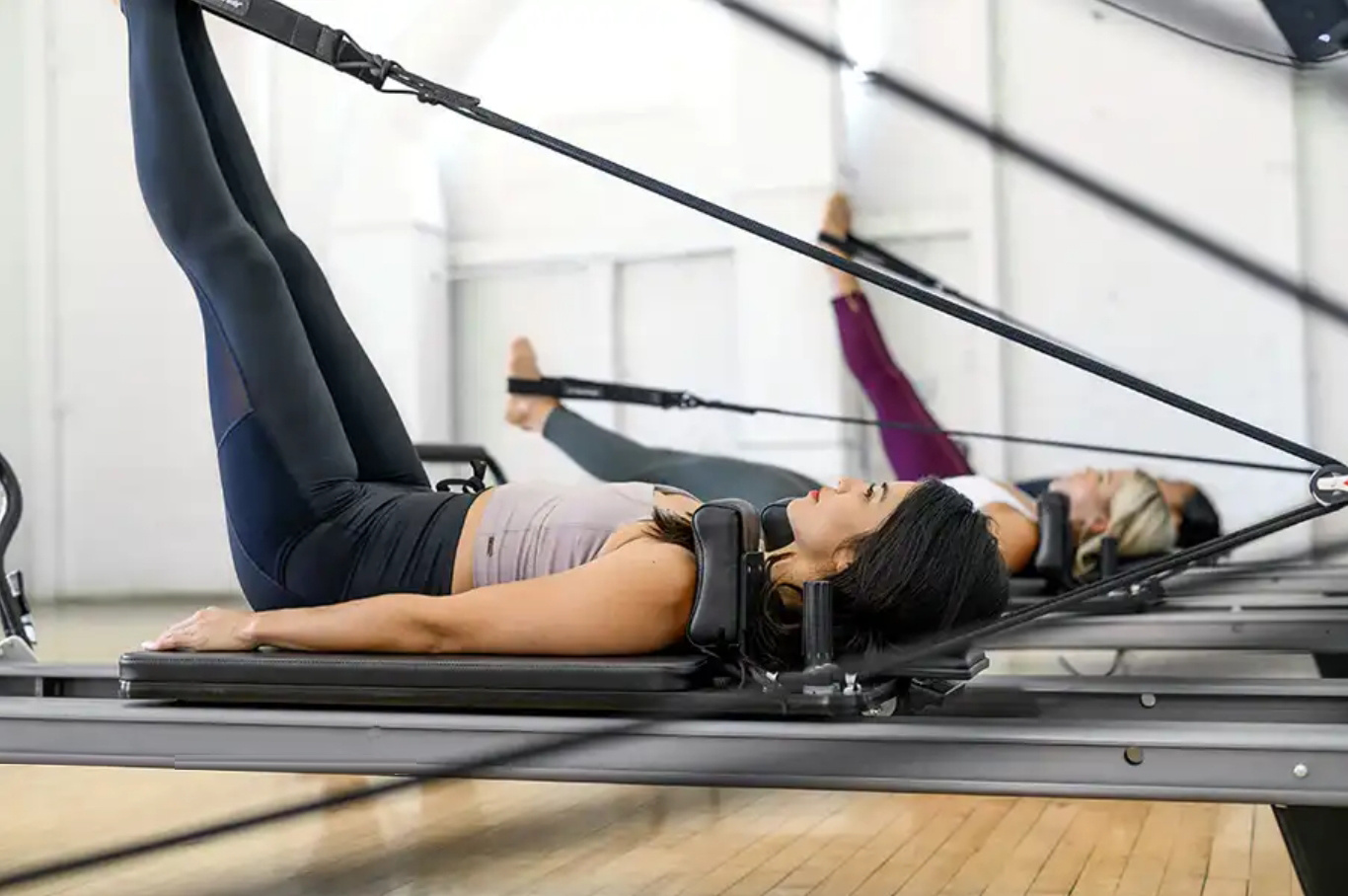
The carriage is the moving platform on which users sit, kneel, lie, or stand during reformer exercises. It typically includes a padded surface and connects to a resistance system through springs or related mechanisms.
Its movement depends on several factors, including the rail design, wheel assembly, frame alignment, and maintenance condition.
When choosing a reformer for commercial use, buyers should evaluate the complete carriage system rather than focusing on a single component.
2. Why Are Wheels and Rails Important?
The wheels and rails guide the carriage along the reformer's frame. Their design and alignment can influence how consistently the carriage travels during exercise.
When reviewing a product, consider these factors:
-
Movement consistency: Ask how the carriage is designed to travel along the rails.
-
Rail construction: Check the material, finish, and structural design.
-
Wheel assembly: Ask about the wheel materials and maintenance requirements.
-
Alignment: Confirm that the manufacturer has procedures for checking assembly and alignment.
-
Replacement parts: Find out whether compatible wheels and related components are available.
Request product specifications or demonstration videos to better understand the carriage system before placing an order.
3. How to Evaluate Carriage Comfort and Stability
A well-designed carriage should suit the intended exercises and provide an appropriate platform for users.
When comparing Pilates Reformers, examine the padding, upholstery, platform dimensions, and overall construction. Consider whether the carriage size and design are suitable for your studio's training programs and client requirements.
Stability also matters. Ask the supplier about the frame structure, component connections, and recommended inspection procedures.
For commercial buyers, it is helpful to evaluate the reformer as a complete system, including the carriage, springs, footbar, ropes, straps, and frame.
4. Carriage Maintenance: What Buyers Should Know
Routine inspection and maintenance can help keep Pilates equipment in suitable operating condition.
Follow the manufacturer's instructions for cleaning the carriage and upholstery, inspecting moving components, and checking the rail area for debris.
Avoid applying lubricants or cleaning products unless they are recommended for the specific model. Incorrect products or maintenance methods may affect components or surfaces.
If unusual noise, uneven movement, or looseness develops, stop using the affected equipment until it has been inspected according to the manufacturer's guidance.
For studios with multiple reformers, a simple maintenance log can help staff record inspections and identify recurring issues.
5. Questions to Ask Before Buying a Pilates Reformer
Before confirming an order, ask your supplier:
-
What materials are used for the carriage, rails, and wheels?
-
What is the recommended maintenance schedule?
-
Are replacement wheels and other carriage components available?
-
Can you provide product specifications and operation videos?
-
What warranty terms apply to moving components?
-
Are different carriage sizes or configurations available for the selected model?
For wholesale orders, confirm that the specifications are consistent across the units being purchased.
6. Choose the Right Pilates Reformer for Your Business
The right reformer depends on your studio's training needs, budget, available space, and maintenance expectations. Comparing component specifications and support arrangements can help you make a more informed purchasing decision.
Micon Fitness supplies wooden and aluminum Pilates Reformers, Cadillacs, Pilates Chairs, Ladder Barrels, and accessories for studios, gyms, distributors, and importers.
Depending on the selected model, customization options may include colors, logos, and materials. Buyers can share their preferred models, quantities, and delivery destinations to discuss suitable options and request a quotation.
Final Thoughts
The carriage, wheels, and rails are important factors to consider when selecting a Pilates Reformer. By reviewing their construction, maintenance requirements, and replacement-part availability, buyers can better compare products for commercial use.
Contact Micon Fitness to explore Pilates Reformer options for your studio or distribution business.
关键词:
Primary Keyword: Pilates Reformer Carriage Secondary Keywords: Pilates Reformer Wheels, Pilates Reformer Rails, Commercial Pilates Reformer, Pilates Equipment Maintenance Long-Tail Keywords: How a Pilates Reformer Carriage Works, Pilates Reformer Wheel and Rail Guide, What to Check When Buying a Pilates Reformer, Pilates Reformer Carriage Maintenance Tips Meta Title: Pilates Reformer Carriage Guide | Wheels & Rails Meta Description: Learn how Pilates Reformer carriages, wheels, and rails work, what buyers should check, and how to maintain moving components in commercial Pilates equipment. URL Slug: pilates-reformer-carriage-guide
Recommended News




Wechat:+86 13053433933
Innovation and Technology Park, Ningjin County, Shandong Province, China