Engineered for Performance. Designed for Pilates Excellence.


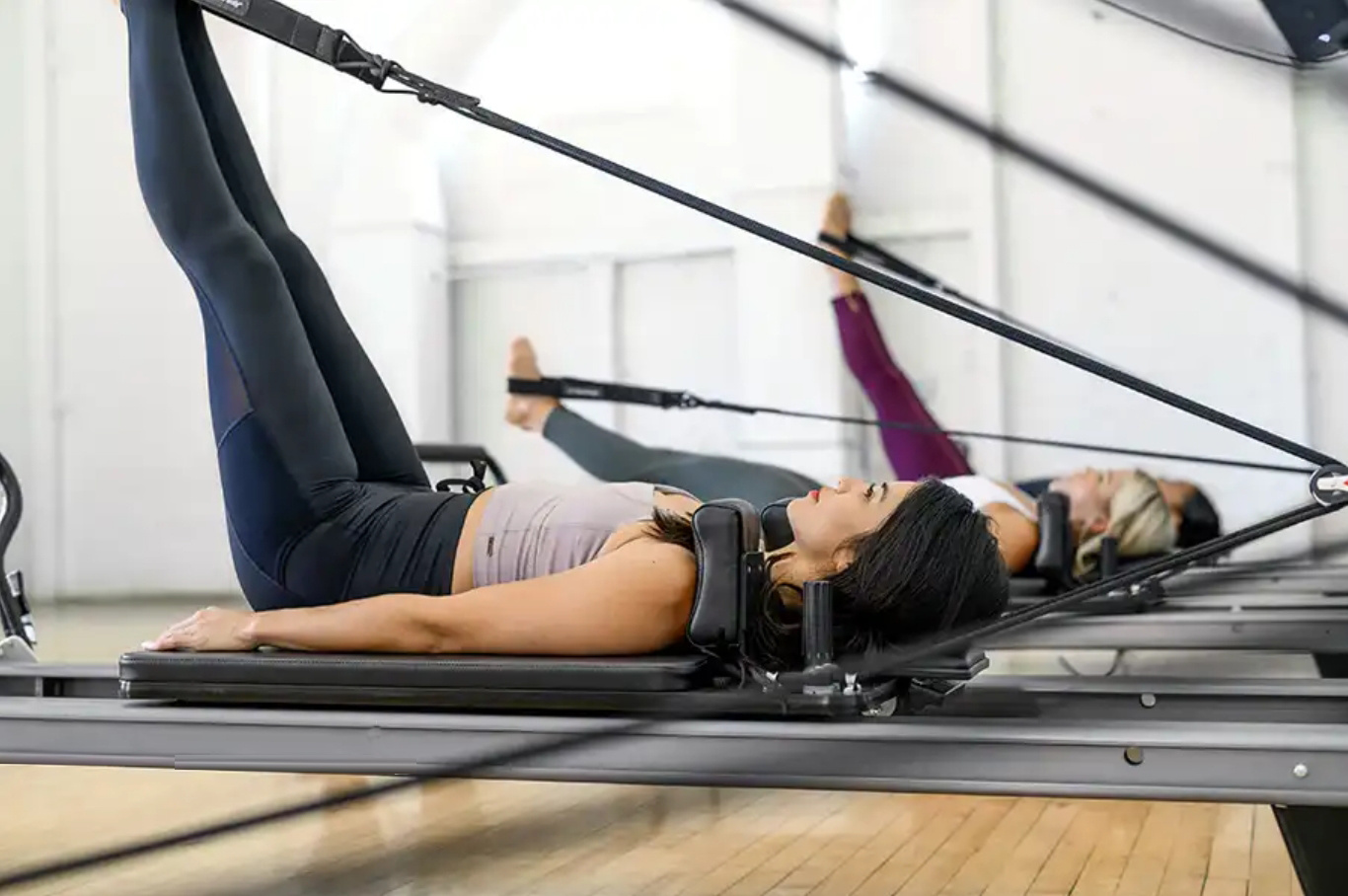
Commercial Pilates Equipment vs Home Equipment: What’s the Difference?
Release time:
2026-03-17
Author:
Source:
As Pilates continues to grow in popularity worldwide, more people are investing in Pilates equipment for both commercial studios and home use. However, there are significant differences between commercial Pilates equipment and home-use machines. Understanding these differences is essential for studio owners, distributors, and individual buyers when making purchasing decisions.
The most important difference lies in durability. Commercial Pilates equipment is specifically designed for high-frequency use in professional environments such as Pilates studios, fitness centers, and rehabilitation clinics. These machines are built with stronger frames, reinforced components, and higher-quality materials to withstand multiple sessions per day. In contrast, home Pilates equipment is usually designed for occasional use and may not handle long-term intensive training.
Another key difference is structural stability. Commercial equipment typically features solid wood or heavy-duty aluminum frames, providing excellent support and safety during workouts. This stability is especially important for exercises that involve balance, resistance, and dynamic movement. Home-use machines, on the other hand, are often lighter and more compact, which makes them easier to move and store but may compromise stability.
Performance and smoothness are also critical factors. In commercial Pilates Reformers, the carriage movement is designed to be smooth, quiet, and consistent. High-quality rails and precision wheels ensure that users can perform exercises without interruption. This level of performance is essential for professional training environments where user experience matters. Home machines may not offer the same level of smoothness due to differences in manufacturing standards.
Adjustability is another area where commercial equipment stands out. Professional Pilates machines offer multiple spring resistance options, adjustable footbars, and flexible rope systems. These features allow instructors to customize workouts for clients of different fitness levels. Home equipment often has limited adjustment options, making it less versatile for advanced or specialized training.
In addition, commercial Pilates equipment usually has a more refined design and appearance. For studios, equipment is not only a training tool but also part of the brand image. High-end machines with elegant finishes and professional design can enhance the overall look of a studio and attract more clients.
Maintenance and after-sales support are also important considerations. Commercial equipment manufacturers typically provide spare parts, technical guidance, and long-term support. This is crucial for studios that rely on their equipment daily. Home equipment suppliers may offer limited support, which can become an issue if repairs are needed.
In conclusion, while home Pilates equipment may be suitable for personal use, commercial Pilates equipment is essential for professional studios. Investing in high-quality commercial machines ensures better performance, durability, and user experience. For studio owners and distributors, choosing the right equipment is a key step toward building a successful Pilates business.
关键词:
commercial Pilates equipment home Pilates equipment Pilates reformer commercial vs home Pilates equipment Pilates equipment supplier Pilates equipment manufacturer Pilates reformer comparison professional Pilates equipment Pilates machine for studio buy Pilates reformer commercial
Recommended News




Wechat:+86 13053433933
Innovation and Technology Park, Ningjin County, Shandong Province, China