Engineered for Performance. Designed for Pilates Excellence.


Ultimate Guide to Choosing a Pilates Reformer: Avoid Common Mistakes for New Studios
Release time:
2026-06-25
Author:
Source:
For new Pilates studio owners, selecting the first set of equipment is one of the most important decisions that will determine long-term operational success.
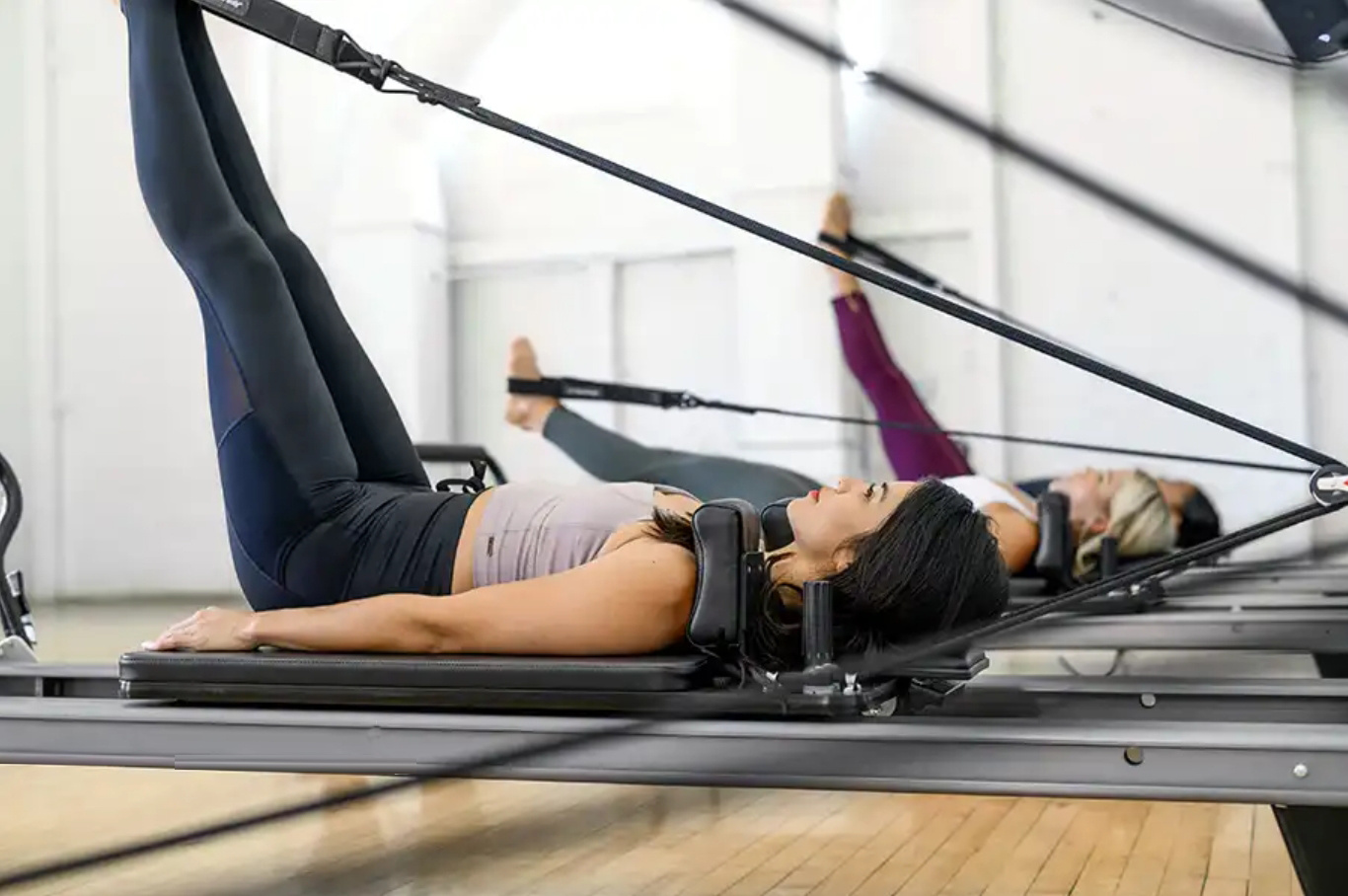
Among all Pilates apparatus, the Reformer is the most essential and frequently used equipment, directly influencing client experience and class quality.
However, due to the complexity of the market, many beginners make costly mistakes during procurement.
This guide helps you understand how to choose the right Pilates Reformer in a structured way.
1. Why the Reformer Is the Most Important Equipment
The Pilates Reformer supports nearly all types of training, including:
- Beginner Pilates sessions
- Private training
- Group classes
- Rehabilitation programs
- Posture correction training
It directly impacts:
- Class quality
- Client experience
- Studio professionalism
2. Five Key Factors When Choosing a Reformer
1. Frame Stability
The frame determines the lifespan of the equipment.
Common high-quality materials include:
- North American maple wood
- Beech wood
- Aircraft-grade aluminum
A stable frame ensures long-term durability.
2. Smooth Carriage System
The carriage system is the most noticeable part of the user experience.
A high-quality system provides:
- Silent operation
- Smooth movement
- Long-term durability
3. Professional Spring System
Springs define resistance quality.
A professional system includes:
- Multiple resistance levels
- High-quality steel springs
- Long service life
4. Ergonomic Design
Key elements include:
- Comfortable shoulder rests
- Adjustable footbar
- Flexible rope system
- Proper cushioning support
Small details significantly impact user satisfaction.
5. After-Sales and Spare Parts Support
Long-term operation requires reliable maintenance support.
Check whether the supplier provides:
- Long-term spring availability
- Standardized spare parts
- Upgrade compatibility
3. Three Common Mistakes Beginners Make
1. Choosing Based on Price Only
Low-cost equipment often leads to:
- Short lifespan
- Frequent repairs
- Poor client experience
2. Ignoring Brand Positioning
Different studios require different equipment types:
- Boutique studios → Wooden Reformers
- Commercial gyms → Aluminum Reformers
3. Not Planning for Expansion
Future expansion may cause:
- Inconsistent equipment models
- Spare part incompatibility
- Higher procurement costs
4. Wooden vs Aluminum Reformers
Wooden Reformers
Best for:
- Boutique Pilates studios
- Premium private training centers
- Design-focused brands
Features:
- Premium appearance
- Warm aesthetic
- Strong brand identity
Aluminum Reformers
Best for:
- Franchise studios
- High-volume gyms
- Commercial training centers
Features:
- High durability
- Easy maintenance
- Cost efficiency
5. How to Choose a Reliable Supplier
Look for:
- In-house manufacturing capability
- OEM/customization support
- Export experience
- Long-term spare parts supply
- Stable production capacity
6. Conclusion
A Pilates Reformer is not just a piece of equipment—it is the core asset of a studio.
Choosing the right one helps improve class quality, enhance client experience, and build long-term competitive advantage.
关键词:
Pilates Reformer buying guide Pilates Reformer selection commercial Pilates equipment Pilates studio equipment Pilates equipment manufacturer Pilates Reformer supplier factory direct Pilates equipment professional Pilates equipment Pilates equipment purchasing guide Pilates equipment for beginners
Recommended News




Wechat:+86 13053433933
Innovation and Technology Park, Ningjin County, Shandong Province, China