Engineered for Performance. Designed for Pilates Excellence.


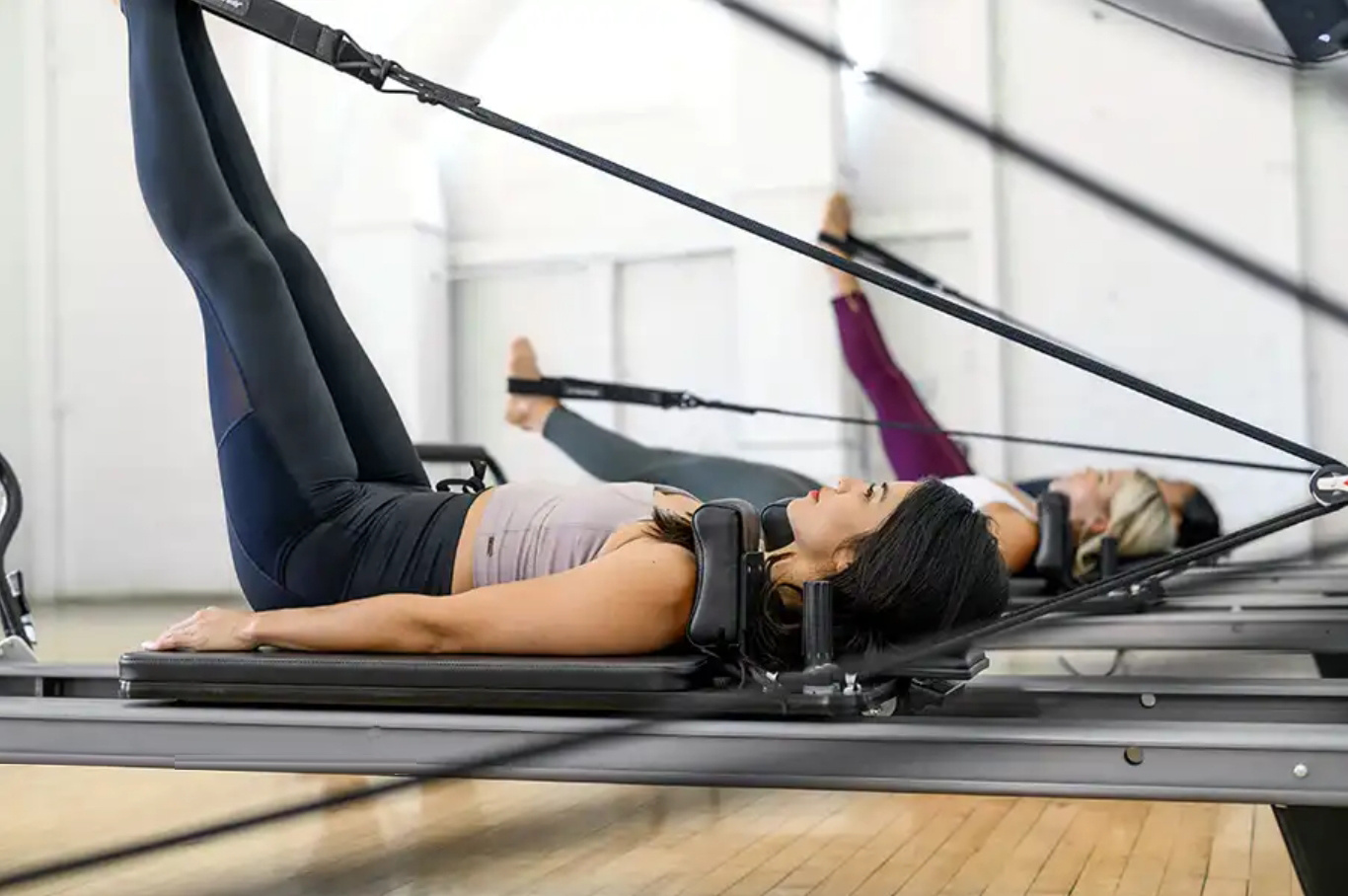
Pilates Equipment for Personal Trainers: How to Set Up a Small Training Studio
Release time:
2026-10-28
Author:
Source:

Personal trainers who want to offer Pilates sessions need equipment that fits their training style, available space, and business budget. Whether you are opening a private Pilates studio or adding Pilates services to an existing personal training business, careful planning can help you create a practical training environment.
This guide explains how to choose Pilates equipment for a small training studio and what to consider before purchasing.
1. Define Your Training Services
Before buying equipment, decide what types of sessions you plan to offer. Your services may include private Reformer sessions, small-group classes, or general Pilates-based training.
Your service model determines how many machines you need and which accessories are useful.
For one-to-one training, a single Pilates Reformer may be a practical starting point. If you plan to offer more varied sessions, you may also consider a Pilates Chair, Ladder Barrel, or selected accessories.
Start with equipment that supports your planned services rather than purchasing every available product.
2. Choose the Right Pilates Reformer
The Pilates Reformer is a central piece of equipment for many professional studios. When comparing models, consider the frame material, dimensions, spring system, footbar adjustments, carriage movement, and upholstery.
Wooden Pilates Reformers may suit studios that prefer a warm, natural appearance.
Aluminum Pilates Reformers may appeal to trainers looking for a contemporary design.
Compare the specifications of individual models instead of choosing based on appearance alone. Ask your supplier for product photos, dimensions, and operation videos before placing an order.
3. Make the Most of Limited Space
Small training studios need careful space planning. Measure the room and consider the reformer's full dimensions, access around the machine, instructor movement, and client entry and exit.
Do not plan the layout using equipment dimensions alone. Allow sufficient clearance for the exercises and movements you intend to teach.
If storage space is limited, ask whether suitable foldable or space-saving equipment options are available. Confirm the storage dimensions and operating requirements for the specific model.
4. Select Essential Accessories
Accessories can support a wider range of training setups without requiring a large equipment investment.
Depending on your services, useful options may include Pilates rings, exercise balls, resistance bands, mats, and blocks.
Choose accessories based on your training programs, available storage, and expected client needs. For a new business, it may be more practical to purchase a focused selection first and expand as demand grows.
5. Set a Realistic Equipment Budget
Your equipment budget should include more than the product price.
Consider the following costs:
-
Pilates machines and accessories
-
Customization, if required
-
International shipping and delivery
-
Import duties and taxes, where applicable
-
Assembly and installation requirements
-
Maintenance and replacement parts
For imported equipment, request package dimensions and gross weights to help your freight forwarder estimate shipping costs.
Comparing the complete purchasing cost makes it easier to decide which equipment fits your business plan.
6. Choose a Supplier That Supports Your Business
For personal trainers launching a studio, clear communication with the supplier is important. Before ordering, confirm product specifications, minimum order quantities, warranty terms, replacement-part availability, and delivery arrangements.
Micon Fitness supplies Pilates Reformers, Cadillacs, Pilates Chairs, Ladder Barrels, and accessories for studios, gyms, distributors, and importers.
Depending on the selected model, customization options may include colors, logos, and materials. Share your preferred products, quantities, and delivery destination to discuss suitable options and request a quotation.
Final Thoughts
Setting up a small Pilates training studio starts with understanding your services, measuring your space, and selecting equipment that matches your business needs.
By prioritizing essential machines, comparing product specifications, and planning the total purchasing cost, personal trainers can make more informed equipment decisions.
Contact Micon Fitness to explore Pilates equipment options for your training studio.
关键词:
Primary Keyword: Pilates Equipment for Personal Trainers Secondary Keywords: Small Pilates Studio Equipment, Pilates Reformer for Personal Training, Commercial Pilates Equipment, Pilates Studio Setup Long-Tail Keywords: How to Set Up a Small Pilates Training Studio, Best Pilates Equipment for Personal Trainers, Pilates Equipment for Private Training Studios, Small Studio Pilates Equipment Buying Guide Meta Title: Pilates Equipment for Personal Trainers | Guide Meta Description: Learn how personal trainers can choose Pilates Reformers, select essential accessories, plan a small studio layout, and budget for equipment purchases. URL Slug: pilates-equipment-personal-trainers
Recommended News




Wechat:+86 13053433933
Innovation and Technology Park, Ningjin County, Shandong Province, China