Engineered for Performance. Designed for Pilates Excellence.


How to Choose a Pilates Reformer: 10 Key Factors for Buyers
Release time:
2026-08-14
Author:
Source:

For Pilates studios, fitness brands, distributors, and importers, the Pilates Reformer is often one of the most important equipment investments.
However, Reformers vary significantly in terms of materials, frame construction, carriage systems, springs, dimensions, upholstery, and customization options.
For first-time buyers, comparing prices alone is not enough to determine whether a Reformer is suitable for long-term commercial use.
So, what should you look for when buying a Pilates Reformer?
This guide covers the most important factors for international Pilates equipment buyers.
1. What Is a Pilates Reformer?
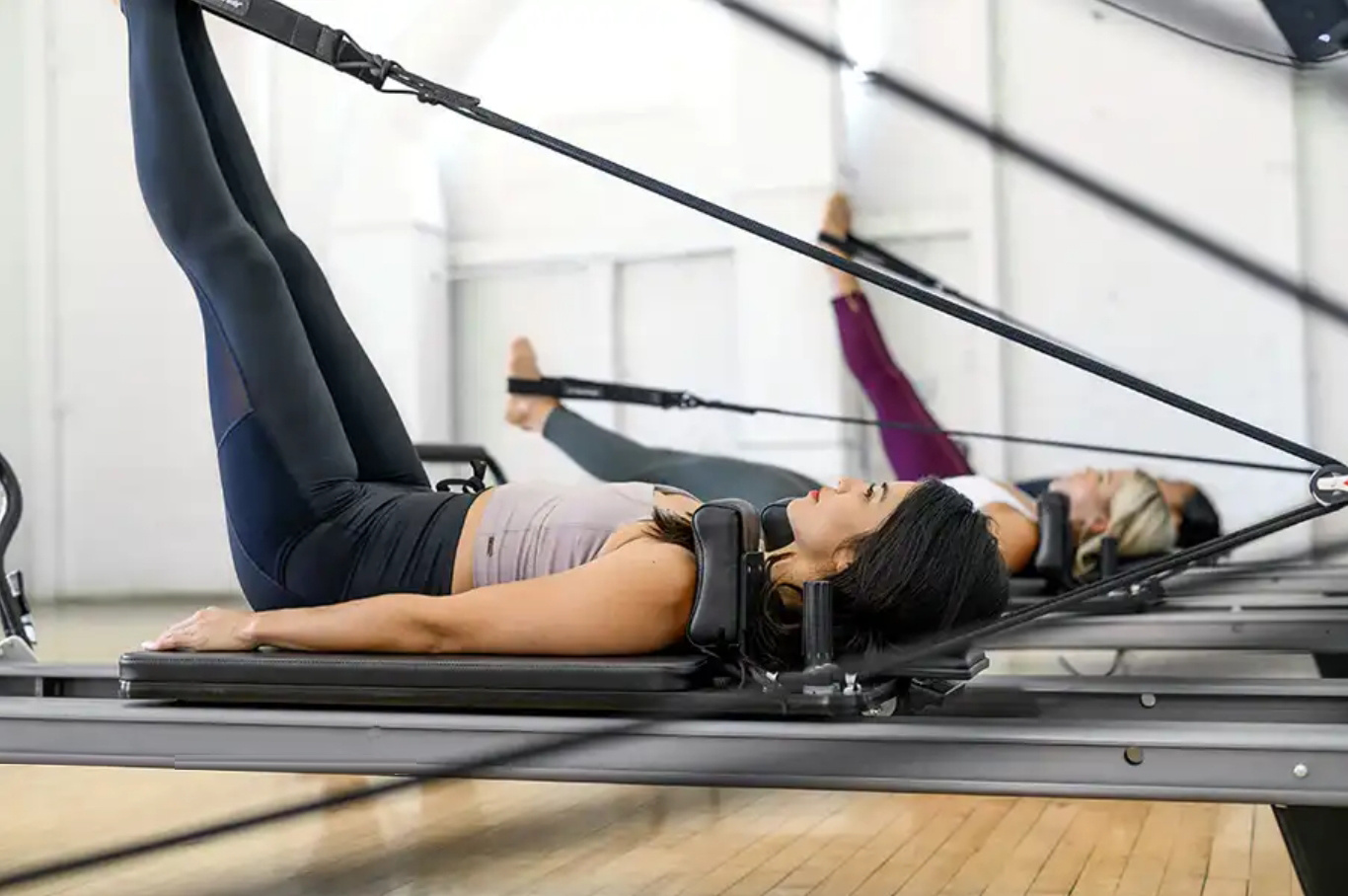
A Pilates Reformer is a versatile training machine that uses a moving carriage, springs, ropes, shoulder rests, and a footbar to provide different levels of resistance.
It can be used for:
- Core training
- Strength training
- Flexibility exercises
- Balance training
- Posture improvement
- Private and group Pilates sessions
Because of its versatility, the Reformer has become one of the most popular pieces of equipment in modern Pilates studios.
2. What Should You Consider When Buying a Pilates Reformer?
1. Frame Structure
The frame is the foundation of Reformer stability.
Buyers should evaluate:
- Material strength
- Structural design
- Connection quality
- Overall stability
- Surface finishing
For commercial studios, the equipment may be used multiple times every day, making structural durability especially important.
3. Wooden or Aluminum Pilates Reformer?
The two most common options are:
Wooden Pilates Reformer
Wooden Reformers offer:
- Natural wood grain
- Warm appearance
- Premium aesthetics
- Boutique studio appeal
They are particularly suitable for:
- Boutique Pilates Studios
- Wellness Centers
- Premium private studios
Aluminum Pilates Reformer
Aluminum Reformers typically provide:
- Modern design
- Lightweight construction
- Clean appearance
- Commercial styling
They are suitable for:
- Commercial Pilates Studios
- Fitness Centers
- Pilates Chains
- High-frequency training environments
The right material depends on your studio positioning, interior design, and usage requirements.
4. Why Is the Carriage System Important?
The Carriage System is one of the most important components of a Pilates Reformer.
A high-quality carriage should provide:
- Smooth movement
- Low noise
- Stable performance
- Consistent resistance
Poor carriage performance can negatively affect:
- Training experience
- Movement control
- Class quality
For this reason, buyers should test carriage performance whenever possible instead of evaluating equipment based only on product photos.
5. How Do Springs Affect the Training Experience?
Reformer Springs determine resistance during training.
Important factors include:
- Spring material
- Resistance levels
- Rebound consistency
- Service life
- Replacement availability
For commercial Pilates studios, springs are frequently used components, so long-term reliability is important.
Buyers should also check whether the supplier can provide replacement springs in the future.
6. Don't Ignore Shoulder Rests, Footbars, and Padding
The frame is important, but smaller components also influence the overall user experience.
Shoulder Rests
Look for:
- Stability
- Comfort
- Secure installation
- Easy adjustment
Footbar
Consider:
- Adjustment mechanism
- Stability
- User height adaptability
Padding
Important factors include:
- Comfort
- Resilience
- Upholstery material
- Long-term durability
7. How Should You Choose the Right Reformer Size?
Studio space should be considered before purchasing.
Do not measure only the machine itself.
You should also allow space for:
- User movement
- Instructor movement
- Distance between equipment
- Walkways
For smaller studios, compact designs or space-efficient Reformers may be more suitable.
Proper space planning can improve studio efficiency.
8. Why Is Durability Important for Commercial Pilates Studios?
A Commercial Pilates Studio may have multiple users training on the same equipment every day.
Commercial Reformers should therefore be evaluated for:
- Frame durability
- Carriage stability
- Spring lifespan
- Hardware quality
- Surface durability
Do not compare products based only on the initial purchase price.
Instead, consider the Long-Term Value of the equipment.
A durable Reformer may reduce long-term maintenance and replacement costs.
9. Do You Need OEM/ODM Customization?
OEM and ODM services are particularly valuable for:
- Pilates Equipment Distributors
- Fitness Brands
- Pilates Studio Chains
- Importers
- Private Label Brands
Customization may include:
Logo Customization
Such as:
- Product logo
- Nameplates
- Packaging
Color Customization
Products can be matched with your brand identity.
Material Options
For example:
- Maple Wood
- Oak
- Aluminum Alloy
- Customized finishes
Packaging Customization
Including:
- Branded cartons
- Product labels
- Brand instructions
- Customized packaging
Private Label Pilates Equipment allows brands to develop their own product identity.
10. Why Should You Test a Sample Before a Bulk Order?
For wholesale buyers, sample testing is an important step.
Check:
Appearance
- Wood quality
- Aluminum finish
- Paint quality
- Joints
User Experience
- Carriage movement
- Noise level
- Spring resistance
- Footbar adjustment
Structural Quality
- Frame stability
- Hardware
- Connections
- Overall movement
Confirming the sample before mass production can significantly reduce purchasing risks.
11. How to Choose a Reliable Pilates Reformer Manufacturer?
Do not compare manufacturers based only on quotations.
Evaluate:
Manufacturing Capability
Check whether the manufacturer has stable production capacity.
Quality Control
Ask about:
- Raw material inspection
- Production inspection
- Final inspection
OEM/ODM Support
Confirm whether the supplier can support:
- Logo
- Colors
- Materials
- Packaging
- Product development
Export Experience
International buyers should also consider whether the manufacturer understands:
- Export packaging
- International shipping
- Customs documentation
- After-sales service
Spare Parts
Long-term suppliers should be able to provide:
- Springs
- Ropes
- Wheels
- Hardware
- Replacement components
12. Common Mistakes When Buying a Pilates Reformer
Mistake 1: Choosing Only by Price
A low purchase price does not necessarily mean a low total cost.
Consider:
Purchase Price + Shipping Cost + Maintenance Cost + Product Lifespan
Mistake 2: Looking Only at Product Photos
Photos cannot fully demonstrate:
- Carriage performance
- Structural stability
- Spring quality
- Cushion comfort
Videos, samples, and physical testing can provide more useful information.
Mistake 3: Ignoring After-Sales Support
Long-term equipment use may require:
- Spare parts
- Technical support
- Maintenance guidance
Therefore, after-sales capability should be part of your supplier evaluation.
13. Conclusion
Choosing the right Pilates Reformer requires more than comparing price and appearance.
A commercial-quality Reformer should be evaluated based on:
- Frame Structure
- Material
- Carriage System
- Springs
- Footbar
- Shoulder Rests
- Padding
- Durability
- Customization
- After-Sales Support
For international studios, distributors, and fitness brands, working with an experienced Pilates Reformer Manufacturer with stable production, OEM/ODM capabilities, and export experience can provide more reliable long-term supply.
Before placing a bulk order, make sure to confirm the product configuration, sample quality, packaging, lead time, and after-sales support.
关键词:
Pilates Reformer Pilates Reformer manufacturer Pilates Reformer supplier Pilates equipment manufacturer Pilates equipment supplier commercial Pilates Reformer commercial Pilates equipment wooden Pilates Reformer aluminum Pilates Reformer Pilates equipment wholesale OEM Pilates equipment ODM Pilates equipment private label Pilates equipment Pilates studio equipment China Pilates equipment manufacturer
Recommended News




Wechat:+86 13053433933
Innovation and Technology Park, Ningjin County, Shandong Province, China