Engineered for Performance. Designed for Pilates Excellence.


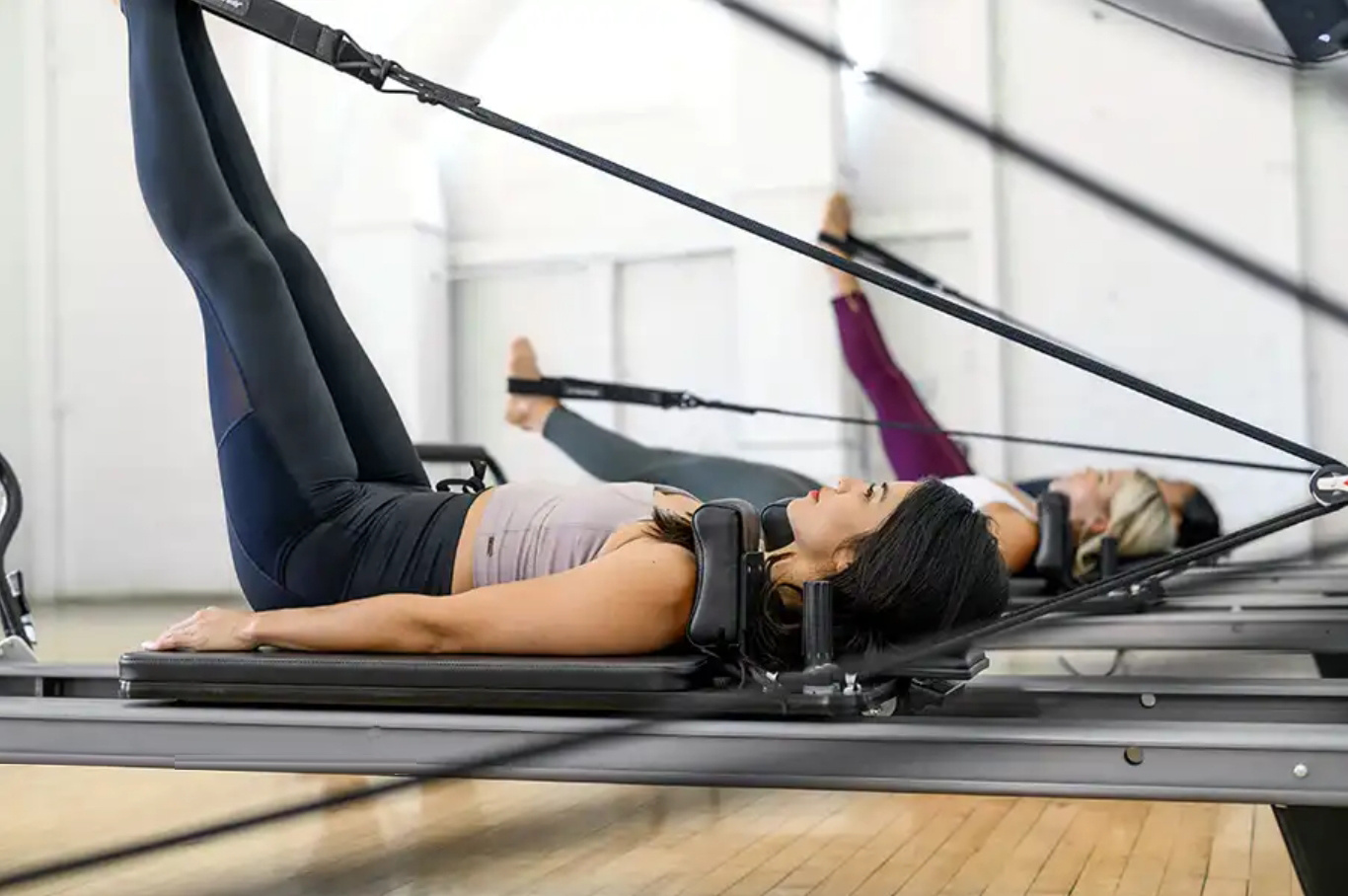
Mainstream types of Pilates are as follows
Release time:
2025-01-30
Author:
Source:
Features: Mat Pilates is the most basic form of Pilates, and does not require any equipment, just a yoga mat can be performed. It focuses on the coordination of breathing and movement, strengthening the core muscle group through a series of static and dynamic movements to improve the stability and flexibility of the body. Application scenario: Ideal for home, office or anywhere with a yoga mat, ideal for daily exercise.

(1)Mat Pilates
Features: Mat Pilates is the most basic form of Pilates, and does not require any equipment, just a yoga mat can be performed. It focuses on the coordination of breathing and movement, strengthening the core muscle group through a series of static and dynamic movements to improve the stability and flexibility of the body.
Application scenario: Ideal for home, office or anywhere with a yoga mat, ideal for daily exercise.
Practice points:
The practice on the mat requires a high level of choreography and requires the guidance of an experienced teacher.
Pay attention to the coordination of breathing and movement, and maintain smooth breathing.
Emphasize the contraction and control of the core muscle group to maintain the stability of the body.
Exercise all parts of the body comprehensively through a combination of static and dynamic movements.
(2) Equipment Pilates
Features: Equipment Pilates uses professional Pilates machines (such as Pilates reformers, Wunda Chairs, etc.) to train, which provide additional resistance and support to help the practitioner work deeper into the core and limb muscles.
Application scenario: Professional Pilates studio or gym, suitable for practitioners with a certain foundation to pursue higher intensity training.
Practice points:
Be familiar with the use of equipment and ensure correct posture and movement patterns.
Use the resistance and support provided by the equipment to work deeply into the core and limb muscles.
Pay attention to the coordination of breathing and movement to maintain the control and stability of the body.
(3) Pilates yoga integration
Features: Combine the core control concepts of Pilates with the flexibility and breathing methods of yoga to create a completely new way of fitness. This fusion course not only focuses on strength and stability of the body, but also emphasizes peace and relaxation of the mind.
Application scenario: Suitable for practitioners who pursue harmony and unity of body and mind, it is more common in Pilates studios or yoga studios.
Practice points:
Combine the core control concepts of Pilates with the flexibility exercises of yoga.
Pay attention to the coordination of breathing and movement, and keep the mind calm and relaxed.
Improve body coordination and balance through smooth movement transitions.
(4) Maternity Pilates
Features: This Pilates program is specifically designed for pregnant women, focusing on safe exercise during pregnancy and the postpartum recovery period. Through specific movements and breathing techniques, it helps expectant mothers strengthen their core, improve posture, alleviate pregnancy discomfort, and prepare for childbirth and postnatal recovery.
Application scenario: Suitable for pregnant women under professional guidance, typically offered in prenatal yoga or Pilates studios, and some specialized hospitals also provide related courses.
Practice points: It is carried out under professional guidance to ensure the safety and suitability of the action.
Focus on the stability and control of the core muscle group to avoid excessive pressure on the abdomen.
Relieve pregnancy discomfort and prepare for childbirth through specific breathing techniques and combinations of movements
Getting Started: Avoid Pitfalls and Enjoy the Benefits
During the beginner period: Learn about Pilates through books, articles, and videos, covering its origins, theoretical foundations, targeted areas, and benefits. This will help you build a comprehensive understanding of Pilates, sparking interest and motivation for practice.
Mastering the basic Pilates movements is essential. You can learn these through online courses or instructional videos. Beginners should start with simple exercises and gradually progress to more complex ones.Principles to follow at the beginning of the exercise.
Principles to Follow During the Early Stages of Practice:
Proper posture and breathing: Ensure proper posture for every movement to avoid injury caused by overexertion or incorrect posture. At the same time, pay attention to the rhythm and depth of breathing, combining breathing with action, help to improve the practice effect.
Gradual Progression: Avoid rushing into advanced exercises. Start with simple movements and gradually increase the difficulty. Only attempt more advanced exercises after your body has adapted and your core control has improved.
Consistency: Pilates requires long-term consistency to see significant results. Therefore, it is important to maintain the habit of regular exercise. Even if you only practice for a short period of time every day, you can gradually accumulate results.
Focus and Relaxation: Maintain a focused and relaxed mindset during your practice. Concentrate on your body’s sensations and the execution of movements while keeping your mind and body relaxed, enjoying the process.
Professional Guidance: If possible, practice under the guidance of a professional instructor. A coach can provide personalized advice, help correct mistakes, and prevent injuries.
关键词:
Recommended News




Wechat:+86 13053433933
Innovation and Technology Park, Ningjin County, Shandong Province, China