Engineered for Performance. Designed for Pilates Excellence.


From Training to Lifestyle: How Pilates Equipment Integrates into Daily Life and Transforms Long-Term Health
Release time:
2025-12-23
Author:
Source:
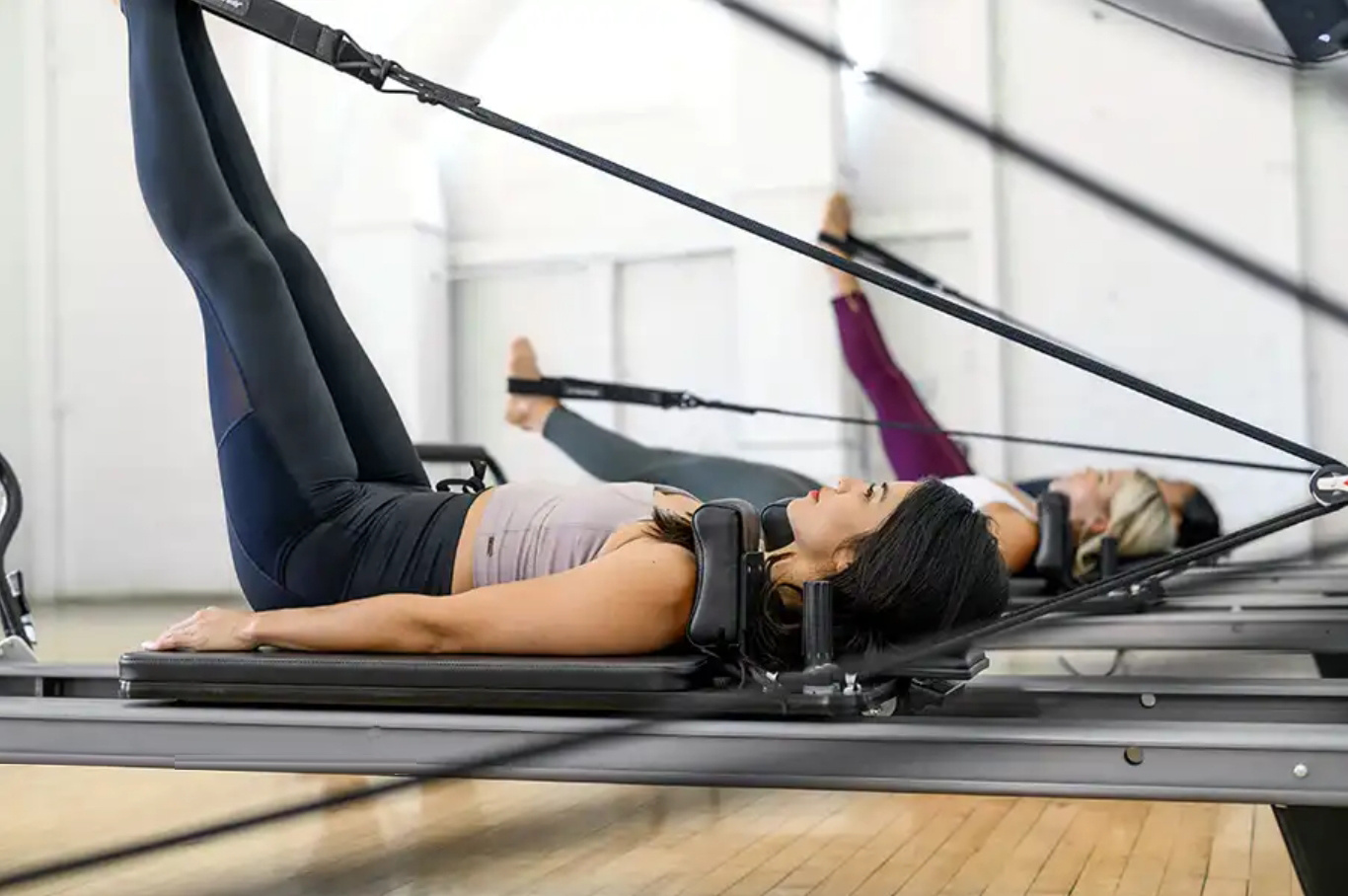
Many people begin Pilates viewing it simply as a form of exercise—a few sessions per week, performed within a scheduled class. Over time, however, those who commit to the practice discover that Pilates gradually becomes more than training; it evolves into a way of living in the body. Pilates equipment, in particular, plays a key role in this transformation by offering consistent physical feedback that reshapes daily movement habits and long-term health outcomes.
One of the greatest values of Pilates equipment lies in its ability to educate the body. Training on the Reformer, Cadillac, or Chair repeatedly reinforces concepts such as neutral alignment, efficient force distribution, and controlled movement. These repeated inputs create new motor patterns in the nervous system. Eventually, practitioners begin to sit, stand, walk, and even breathe more efficiently—without conscious effort.
For instance, individuals who regularly train their core on Pilates equipment instinctively engage their abdominal and pelvic floor muscles when lifting objects. They transition from sitting to standing with improved spinal sequencing and maintain better weight distribution during prolonged standing. Though subtle, these changes form the foundation of long-term physical resilience.
Pilates principles also extend naturally into home life. More people are creating small Pilates-friendly spaces at home—even a mat or compact piece of equipment can support consistent movement habits. For busy individuals, this low-barrier, sustainable approach makes regular practice far more achievable.
From a health management perspective, Pilates equipment fosters a sense of long-term responsibility toward the body. Instead of focusing on quick aesthetic changes, the practice emphasizes structure, balance, and functional longevity. This shift often influences broader lifestyle choices, including sleep routines, nutrition awareness, and emotional regulation, creating a holistic health loop.
For Pilates studios, redefining their role from “class providers” to “lifestyle support systems” represents an important evolution. Through long-term programming, phased goals, and personalized pathways, studios can help clients build sustainable habits rather than temporary routines.
When Pilates equipment truly integrates into daily life, it doesn’t just change muscles—it transforms the relationship between a person and their body. Quietly, consistently, and profoundly.
关键词:
Lifestyle Pilates Equipment Long-Term Health Body Awareness Core Stability Daily Movement Studio Development Fitness Trends
Recommended News




Wechat:+86 13053433933
Innovation and Technology Park, Ningjin County, Shandong Province, China